All areasBiella · along the Cervo
The Vernato
The village of wayfarers and tanners, which was a municipality of its own until 1421.
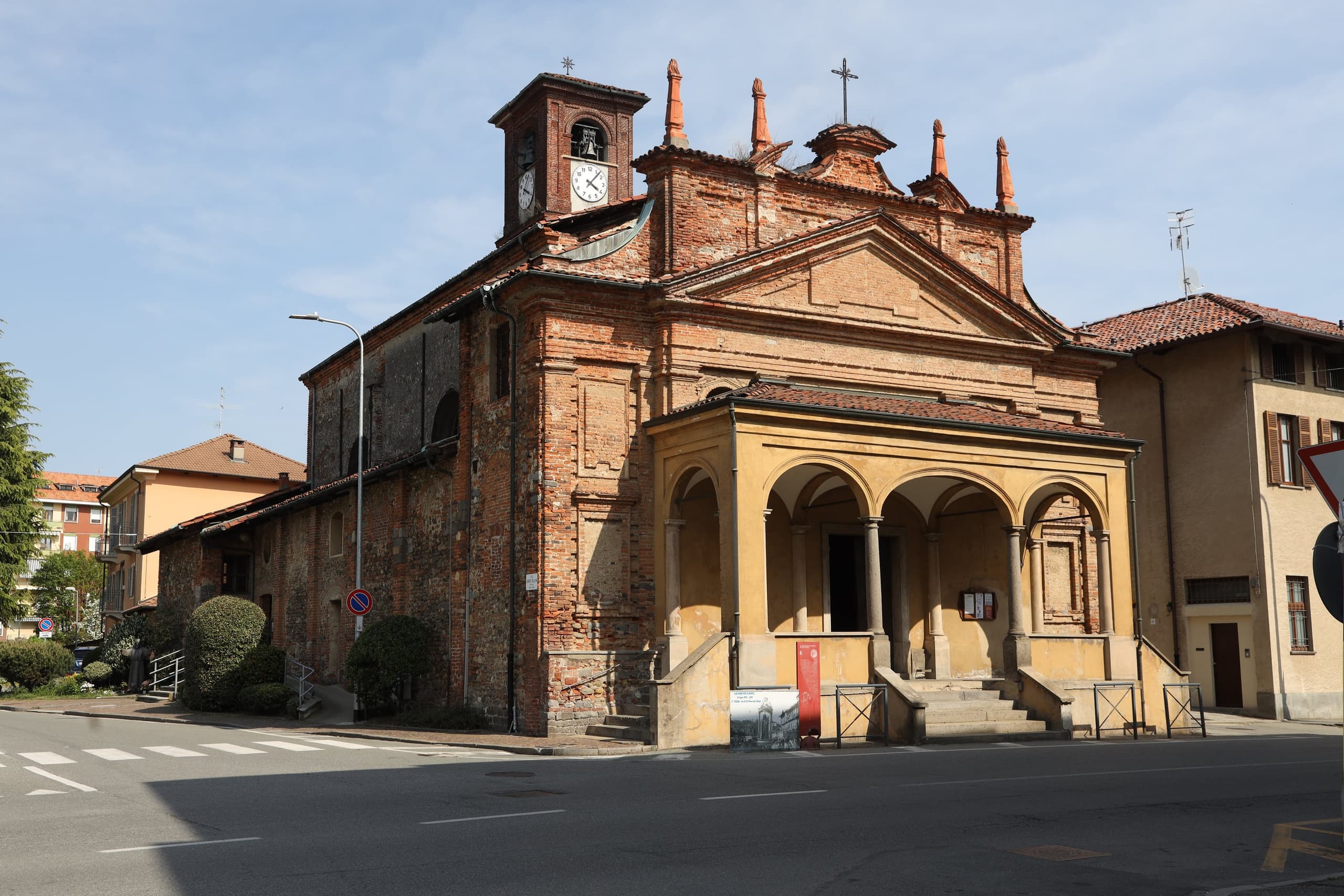
San Biagio, the church of the Vernato dedicated to the patron saint of wool carders. · Photo: Fabrizio Garrisi · CC BY-SA 4.0 · Wikimedia Commons

Chapter 1 of 5
For those on the road
The Vernato began to receive people on the road: wayfarers and pilgrims, perhaps around a convent with a hospice near San Biagio, the church dedicated to the patron saint of wool carders. It had its statutes in 1328 and remained an independent municipality until 1421, when it joined Biella. The Costa del Vernato is the historic climb leading towards the Piazzo.


Chapter 2 of 5
A history on the scale of the street
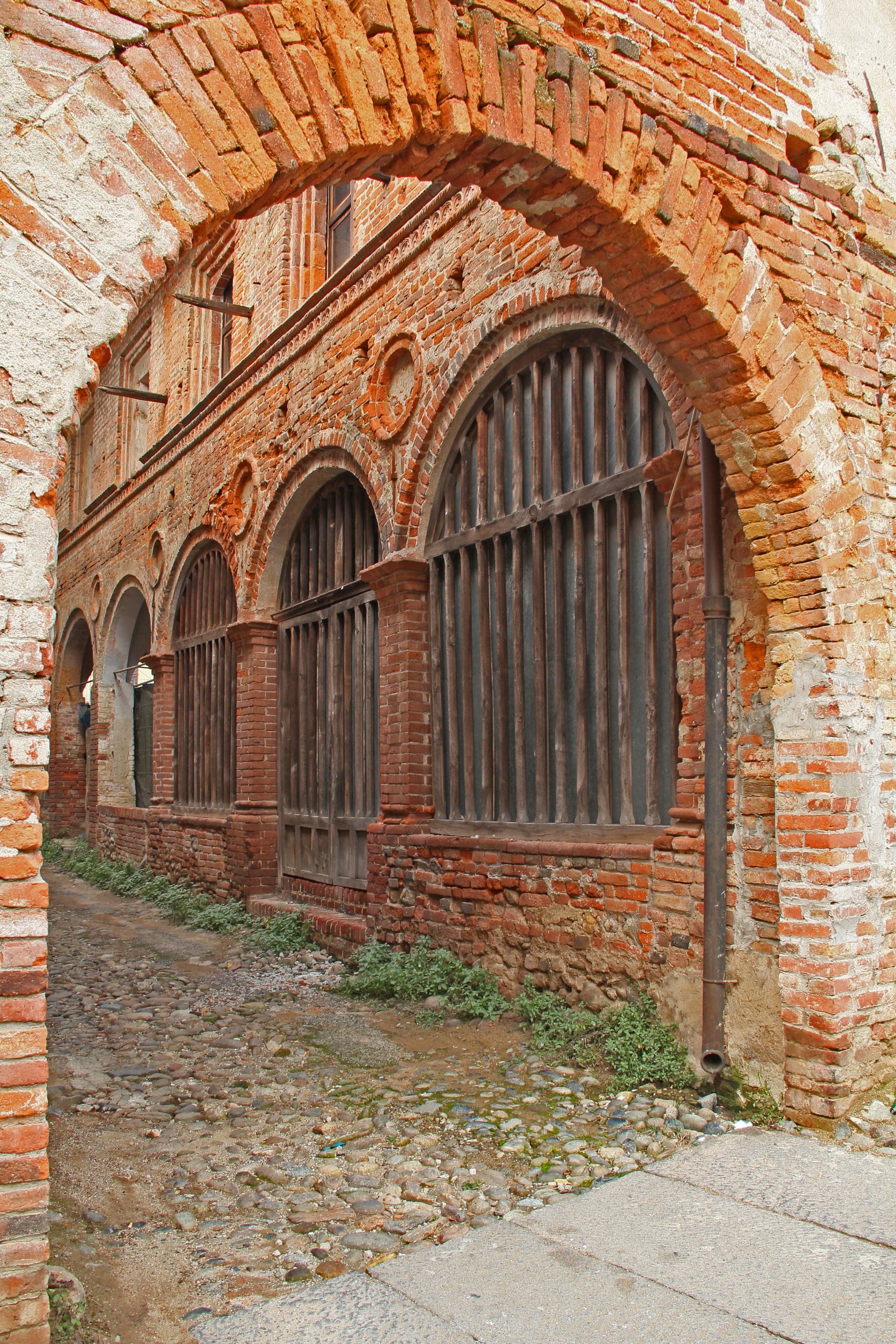
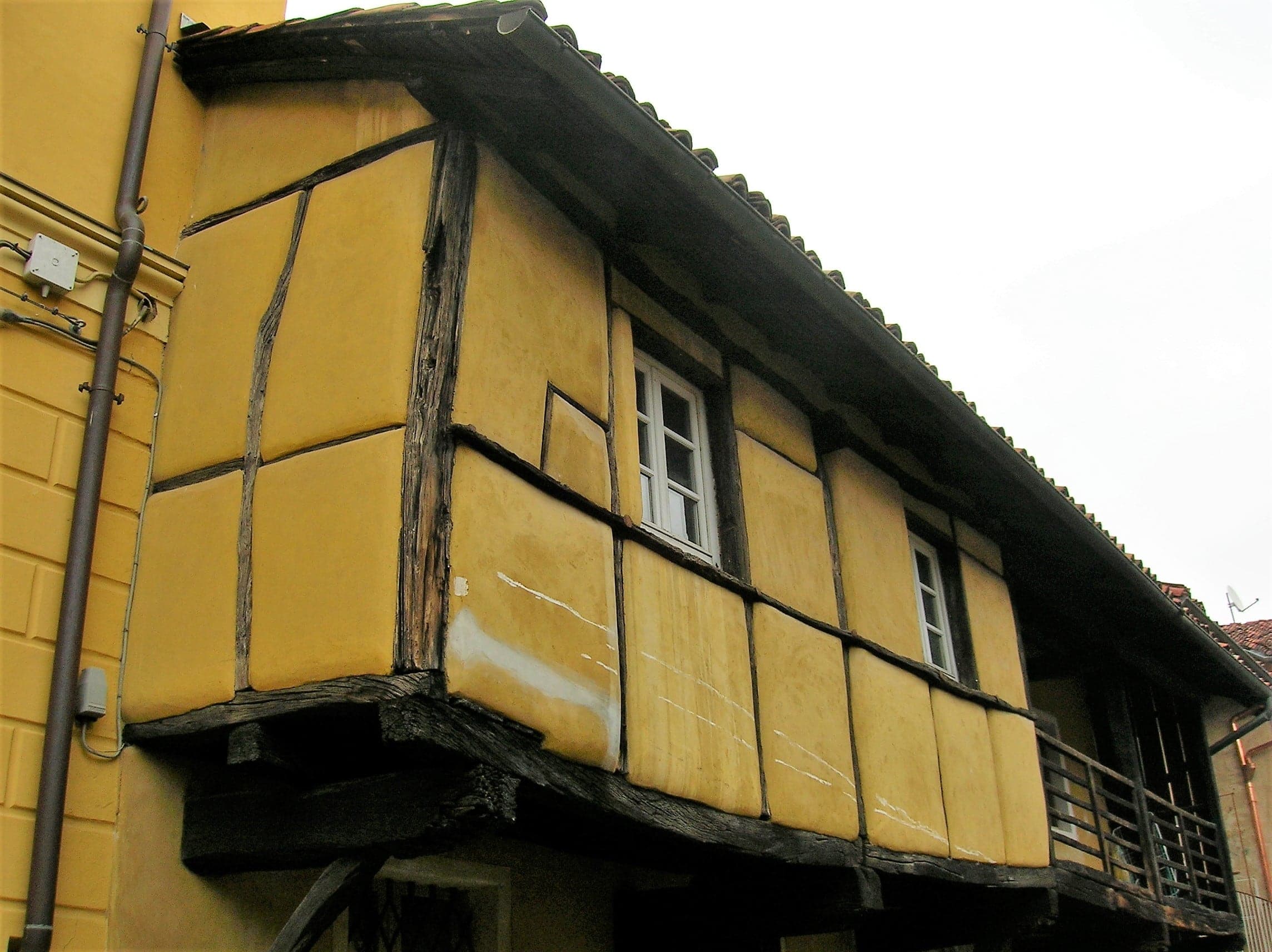
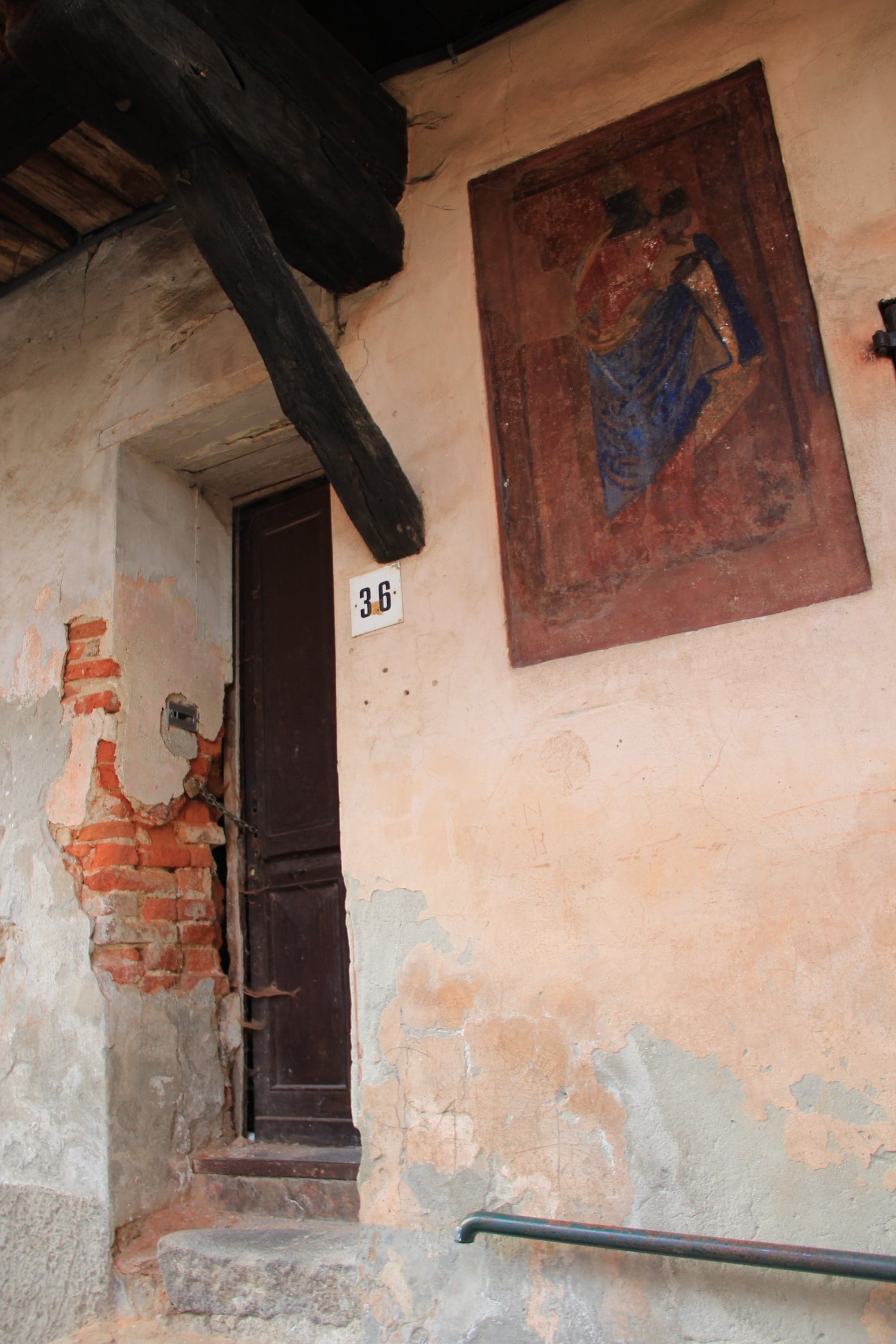
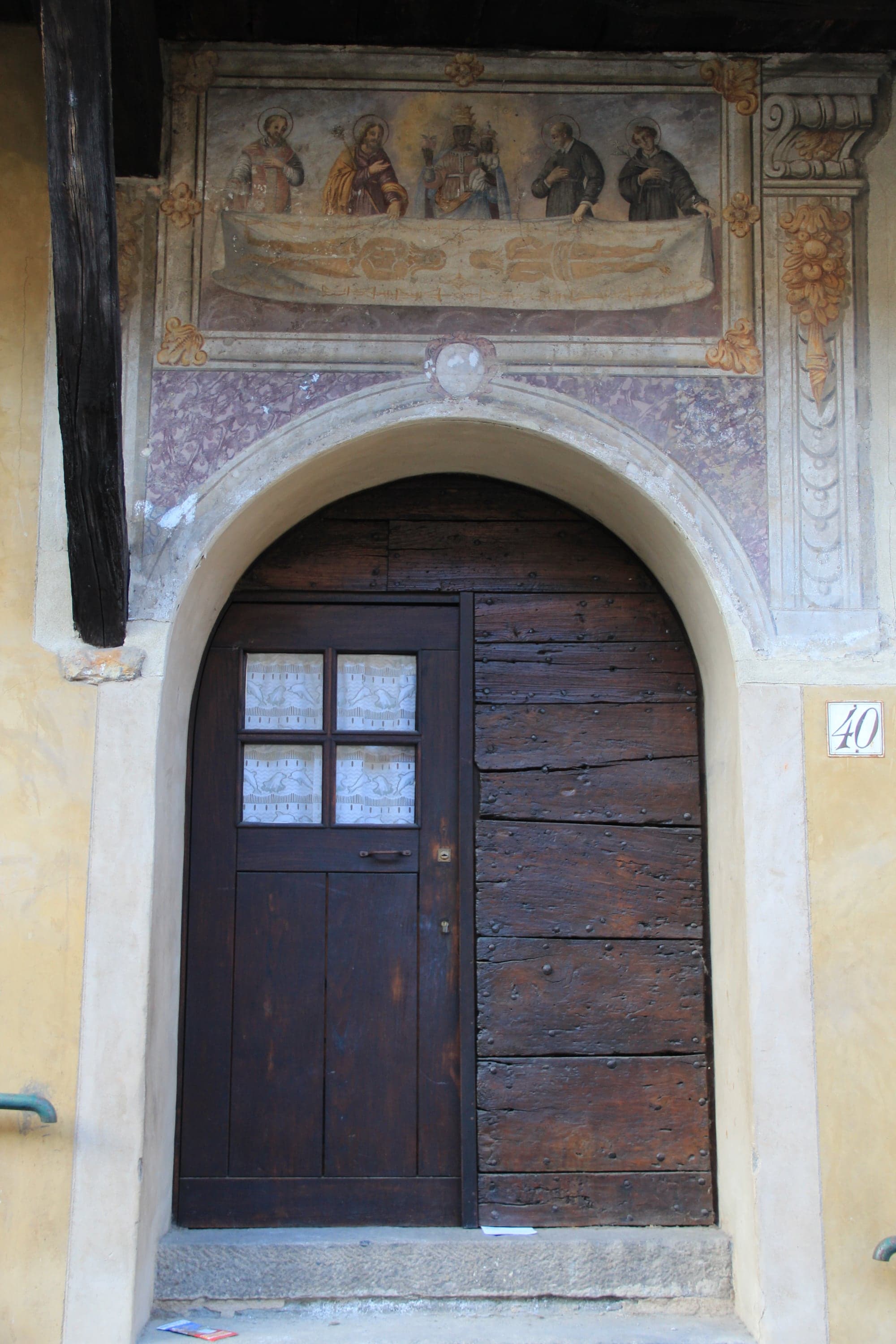
The Costa del Vernato keeps houses that invite a closer look: timber structures and terracotta decoration. The Casa della Sindone takes its name from a late seventeenth-century fresco by Giuliano Genta, showing the Shroud held up by the Madonna of Oropa and four saints, including Saint Philip. In via Rocchetta, Casa Masserano, from the fifteenth century, has its terracotta and its frescoes and is also remembered as the Casa dell'Uomo Selvaggio (House of the Wild Man), after a painting that depicted that figure from popular tradition. These are details that give the façades a face.
Chapter 3 of 5
The leather street
In via dei Conciatori the street name keeps the memory of a trade. The Vernato was a quarter where hides were worked and turned into leather: attics remain with the wooden lattices where they were hung to dry. From here also begins the story of Chiorino, founded in 1906 between the Piazzo and the Vernato, which moved from leather to transmission belts for the textile industry: a particular way of reading the town through the materials made in it.
Chapter 4 of 5
The name of a tree
Local memory links the name Vernato to the “verna”, the alder, a tree of damp ground. It is one of the interpretations proposed for the place name, reported by the Amici del Vernato project. Even a name can bring to mind a landscape older than today’s streets.
Chapter 5 of 5
From village to district
The district's gate stood until 1879, and from 1891 to 1951 the train to Mongrando stopped here. In the twentieth century the Vernato expanded towards Thes and towards the San Biagio district.
The market
The market in figures
| Where | Minimum–maximum (€/m²) | Minimum–maximum (€/m²) |
|---|---|---|
| BiellaVernato, Chiavazza e semicentro · OMI C1 | 570–770 |
| Where | Sales | Change | Average value |
|---|---|---|---|
| Biella, zona OMI C1 (comprende anche aree fuori dal Vernato) | 254 | −4.6% | 709 €/m² |
Sources
The homes
No homes available here
We have no properties published in this area at the moment.
See all homes