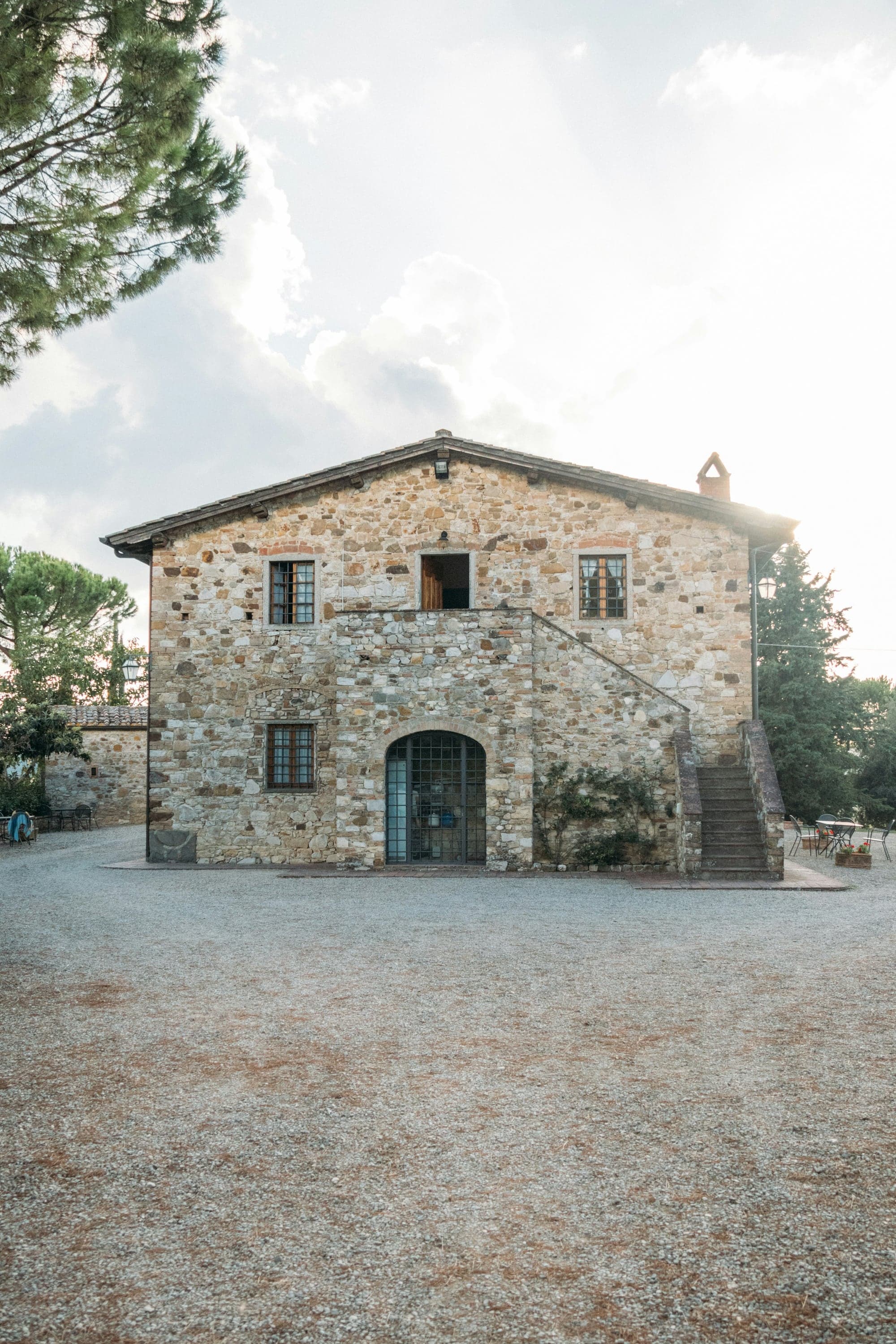
An old home is not an exception. According to the 2021 ISTAT census, 17.9% of Italian dwellings were built before 1946, and 9.5% before 1919. They are homes with thick walls and long histories, and with more to check than a recent building.
The systems
A system installed before 1990 normally has no declaration of conformity (it was introduced by Law 46/1990); for those installed between 1990 and 2008 it may be missing or lost. If it is missing, it is replaced by the declaration of correspondence, issued after an inspection by a professional with at least five years’ experience in the field (Article 7 of Ministerial Decree 37/2008).
It no longer has to be attached to the deed (that rule was repealed in 2008), but it can always be requested from the seller. That is why it is worth asking for it, or stating who pays for the check, in the offer.
Energy
Thick walls and high ceilings change the heating bill. The energy class must already appear in the listing, and the certificate must be made available when negotiations start and handed over at the end (Article 6 of Legislative Decree 192/2005): read it before making an offer, not after.
Planning compliance
In a building with a hundred years of history, alterations have piled up: a closed-in veranda, an attic made habitable, a bathroom carved out. The lawful status is reconstructed from the permit that provided for the construction and from the permits for later works (Article 9-bis of Presidential Decree 380/2001). It is a job for a surveyor, in the municipal archives, and it should be done before the preliminary contract.
Listed buildings
If the building is declared of cultural interest, the sale must be notified to the Ministry within thirty days of the deed, and the State, the Region or local authorities can buy at the same price within sixty days of the notification. Until then the deed remains suspended and the home is not handed over (Articles 59–61 of Legislative Decree 42/2004). Better to know before organising a move.
Works and tax deductions
Anyone renovating their main home, as owner or holder of a real right, can deduct 50% of 2026 expenses up to 96,000 euros per unit; in other cases 36%. For 2027 expenses current law lowers them to 36% and 30%; the budget bill approved by the government on 28 October 2026 proposes keeping 50% and 36%, and should be followed until Parliament approves it. When budgeting for a home that needs work, the date of the works matters.
In writing
Asking for these documents before the offer is not mistrust. Gathering them helps you see which checks are missing and which costs could affect the purchase. If further checks are needed, agree with whoever is handling the transaction how to reflect them in the agreements.
Sources
Where the data, rules and figures quoted here come from.
- 1.Censimento permanente 2021: caratteristiche delle abitazioni, ISTAT, 1 agosto 2024 · accessed on 29 September 2026
- 2.DM 22 gennaio 2008, n. 37, art. 7 (dichiarazione di conformità e di rispondenza), Normattiva · accessed on 29 September 2026
- 3.DM 22 gennaio 2008, n. 37, art. 13 (abrogato dal DL 112/2008), Normattiva · accessed on 29 September 2026
- 4.D.Lgs. 19 agosto 2005, n. 192, art. 6 (attestato di prestazione energetica), Normattiva · accessed on 29 September 2026
- 5.DPR 6 giugno 2001, n. 380, art. 9-bis (stato legittimo), Normattiva · accessed on 29 September 2026
- 6.D.Lgs. 22 gennaio 2004, n. 42, art. 59 (denuncia di trasferimento), Normattiva · accessed on 29 September 2026
- 7.D.Lgs. 22 gennaio 2004, n. 42, art. 61 (termini della prelazione), Normattiva · accessed on 29 September 2026
- 8.Ristrutturazioni edilizie: la misura della detrazione e i limiti, Agenzia delle Entrate · accessed on 29 September 2026
- 9.Ristrutturazioni edilizie: che cos'è, Agenzia delle Entrate · accessed on 25 October 2026